
August 17, 2026
How to Choose the Perfect Dress for Every Occasion
Discover how to choose the perfect dress for every occasion. Learn practical tips for selecting styles, colors, fabrics, and fits for everyday wear, parties, dinners, and special events.
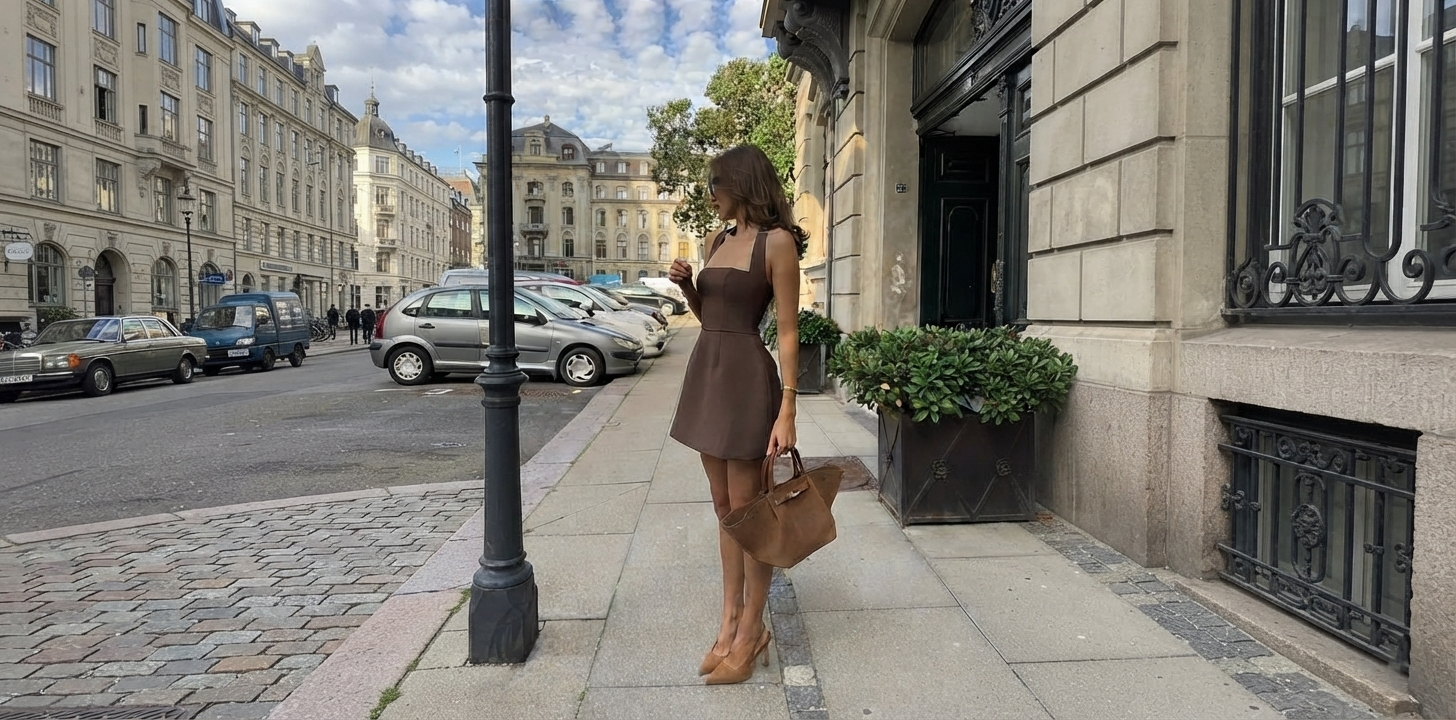
Choosing the right dress is about more than following trends. The perfect dress should match the occasion, feel comfortable, complement your style, and give you confidence from the moment you put it on.
A great dress can make getting ready easier and more enjoyable. Whether you are looking for an everyday outfit, a polished dinner look, or something special for an important event, understanding a few basic styling principles can help you make a better choice.
1. Start by Considering the Occasion
The first step when choosing a dress is to think about where you will wear it. Different occasions call for different levels of formality, comfort, and styling.
A relaxed daytime event may call for a simple and comfortable dress, while an evening celebration may be better suited to a more polished silhouette. Choosing a style that fits the setting helps create an outfit that feels appropriate without looking overdressed.
Everyday Wear
Look for comfortable silhouettes, practical fabrics, and styles that can easily be worn with your favorite shoes and accessories.
Special Occasions
Consider elegant details, refined silhouettes, and fabrics that create a more polished appearance for celebrations and events.
Dinner & Evening
Choose a dress that balances sophistication and comfort while working naturally with your evening accessories.
Casual Gatherings
Relaxed dresses can create an effortless look while still giving your outfit a feminine and polished appearance.
2. Choose a Dress Style That Matches Your Personality
Fashion is personal, so the best dress is one that feels natural to you. Some people prefer clean and minimal designs, while others enjoy feminine details, statement silhouettes, or playful patterns.
Instead of choosing a dress simply because it is trending, consider whether the design fits your existing wardrobe and personal style. A versatile dress that you genuinely enjoy wearing can become one of the most useful pieces in your closet.
Classic and Minimal Styles
Simple silhouettes are easy to style and can work across different occasions. Neutral colors and clean lines can also make a dress more versatile.
Feminine and Romantic Styles
Details such as soft fabrics, elegant necklines, flowing skirts, or subtle decorative elements can create a graceful and feminine look.
Modern Statement Styles
If you enjoy making a stronger fashion statement, look for distinctive silhouettes, interesting textures, bold colors, or unique design details.
3. Pay Attention to the Fit
A beautiful dress can still feel uncomfortable if the fit is not right. When choosing a dress, pay attention to how the garment fits around the shoulders, bust, waist, hips, and length.
The right fit should allow you to move naturally while maintaining the intended shape of the dress. If you are shopping online, always review the available size information and compare the measurements with a garment you already own.
Comfort Matters
The best dress is not only attractive but also comfortable enough for you to move, sit, walk, and enjoy your day or evening with confidence.
4. Choose Colors That Work for the Occasion
Color can completely change the feeling of a dress. Soft neutrals can create an understated look, while deeper or brighter shades can make an outfit feel more expressive.
When choosing a color, consider the occasion, season, accessories, and other pieces already in your wardrobe. A versatile color can make styling easier, while a distinctive shade can be a great choice when you want the dress itself to stand out.
- Neutral shades are easy to style and re-wear.
- Soft colors can create a light and feminine appearance.
- Deep colors can add sophistication to an evening outfit.
- Brighter colors can create a more expressive statement.
- Prints can add personality to otherwise simple silhouettes.
5. Consider the Fabric and Season
Fabric plays an important role in both comfort and appearance. When selecting a dress, think about the weather, the season, and how long you expect to wear the garment.
Lightweight fabrics can be comfortable during warmer weather, while heavier materials may be more suitable for cooler seasons. For occasions that involve sitting, walking, or spending several hours away from home, comfort should be one of your main considerations.
The fabric can also influence the overall appearance of the dress. Some materials create a structured silhouette, while others create softer movement and a more relaxed effect.
6. Finding the Right Everyday Dress
An everyday dress should be easy to wear and simple to style. Look for silhouettes that work naturally with your lifestyle and can be paired with different shoes, bags, and accessories.
A versatile everyday dress can become a foundation piece in your wardrobe. Depending on how you accessorize it, the same dress can create several different looks.
Features to Look For
- Comfortable and practical construction.
- A silhouette that allows natural movement.
- A color that works with your existing wardrobe.
- Easy styling with casual or polished accessories.
- A design you can confidently wear more than once.
7. Choosing a Dress for Parties and Special Events
Special occasions are a great opportunity to choose something more distinctive. Depending on the event, you may want to consider a more elegant silhouette, refined details, or a color that feels special.
However, sophistication does not always mean choosing the most elaborate design. A well-fitting dress with carefully selected accessories can often create a polished appearance without feeling excessive.
Think About the Dress Code
Before choosing your outfit, consider whether the event is casual, semi-formal, formal, or somewhere in between. Matching the level of formality helps ensure that your dress feels appropriate for the setting.
Keep Accessories Balanced
If your dress has a strong print or detailed design, simpler accessories may help keep the overall outfit balanced. If the dress is more minimal, accessories can add personality and visual interest.
8. Build a Versatile Dress Wardrobe
You do not need a large wardrobe to have plenty of outfit options. Choosing a few versatile dresses in different silhouettes can give you flexibility for everyday activities, dinners, gatherings, and special occasions.
Start with styles you know you will wear regularly. From there, add dresses with different colors, fabrics, and silhouettes to expand your options without buying pieces that remain unused.
- Choose one or two versatile everyday dresses.
- Add a polished dress for dinners or events.
- Include a distinctive style for special occasions.
- Select colors that complement your existing wardrobe.
- Choose comfortable styles that you will actually enjoy wearing.
9. Final Checklist Before Buying a Dress
Before completing your purchase, take a moment to consider how the dress fits your needs. A quick checklist can help you make a more confident decision.
Ask Yourself:
- Where will I wear this dress?
- Does the style match my personal taste?
- Is the size and fit appropriate for me?
- Will the color work with my existing wardrobe?
- Is the fabric suitable for the season and occasion?
- Can I style the dress in more than one way?
- Will I feel comfortable and confident wearing it?
Conclusion
Choosing the perfect dress becomes much easier when you focus on the occasion, fit, comfort, color, fabric, and your personal style. Instead of simply following trends, look for pieces that make sense for your lifestyle and that you will genuinely enjoy wearing.
Whether you are searching for an effortless everyday dress or a polished style for a special occasion, the right choice should make you feel comfortable, confident, and ready for wherever the day takes you.
Find Your Next Favorite Dress
Explore Guanlitan's collection of thoughtfully selected dresses and fashion styles designed for everyday moments, gatherings, and special occasions.